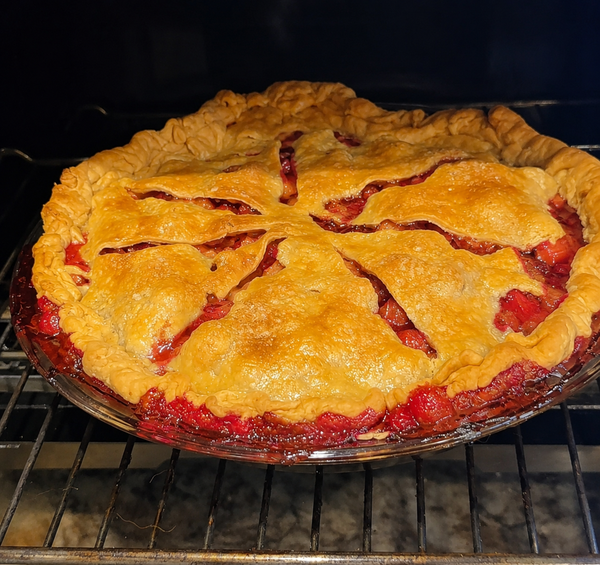
Beyond Pie: Rhubarb for Breakfast, Brunch, and Supper
Rhubarb arrives with a color that feels almost celebratory, rosy stalks tucked among the first bright produce of the season. Its flavor is just as lively:
tart, clean, and refreshing, with enough personality to wake up a quiet morning or bring balance to a rich meal. While pie may be rhubarb’s most familiar home, this spring favorite has far more to offer.
One of rhubarb’s best qualities is how beautifully it softens into compotes, crisps, sauces, and savory
accompaniments. When gently cooked with sugar, citrus, berries, or warm spices, the firm stalks collapse into a silky mixture that keeps a pleasant tang. That tartness is what makes rhubarb so useful. It cuts through richness, brightens simple dishes, and gives both breakfast and supper a fresh seasonal lift.
For
morning meals and brunch, rhubarb can be spooned over yogurt, oatmeal, pancakes, waffles, or toast. A simple compote can be served warm or chilled, made a few days ahead, and adjusted depending on how sweet or sharp the cook prefers it. Strawberries are a natural partner because they bring fragrance and softness, but orange zest, ginger, vanilla, or a touch of maple syrup can move the flavor in a different direction.
Rhubarb also shines beside meats, where its tartness acts much like cranberry, apple, or sour cherry. Cooked into a chutney with onion, vinegar, a little sugar, and warming spices, it becomes a lively partner for pork tenderloin, roasted chicken, turkey, duck, or grilled sausages. Simmered into a softer sauce, it can be brushed lightly over roasted pork or served at the table with
lamb. The goal is balance: enough sweetness to round the sharp edges, enough acidity to keep the dish bright, and enough texture to make each bite feel fresh.
This is where rhubarb becomes especially practical for family cooking. A small batch of sauce can serve more than one purpose during the week. It may begin as
a spoonful over breakfast, then become a glaze for chicken, a condiment for sandwiches, or a bright accent beside leftovers. For a brunch table, that same ruby-colored sauce can sit near biscuits, scones, yogurt, or a platter of sliced ham, quietly tying sweet and savory dishes together.
Crisps remain one of the
easiest ways to celebrate rhubarb because they welcome its natural tartness underneath a golden topping of oats, butter, flour, and sugar. Unlike pie, there is no crust to roll and no need for perfect edges. A crisp feels relaxed and generous, the sort of dish that can move from Sunday brunch to a casual family supper.
Rhubarb also freezes well when prepared properly, which makes it a practical ingredient for cooks who like to plan ahead. A measured filling or sauce can be tucked away for future crisps, cobblers, glazes, chutneys, or spoon desserts. On a busy day, that little bit of preparation can turn a fleeting spring ingredient into something ready and comforting.