Butter, Olive Oil, and Beyond:
What Each Fat Brings to the Table
Most home cooks keep a few familiar fats within easy reach, a bottle of olive oil by the stove, butter in the refrigerator, perhaps a neutral oil in the pantry. They can seem interchangeable until a dish turns out flatter than expected or richer than intended. In everyday cooking, fat is not just a cooking medium. It is a flavor ingredient, a texture tool, and often the difference between something that tastes merely fine and something that tastes finished.
Butter is the fastest route to richness. Its water and milk solids do real work: the water helps create steam in the pan, while the milk solids brown and develop a nutty depth. That is why butter makes
vegetables taste rounder, why a quick pan sauce becomes glossy with a final spoonful, and why a simple piece of fish or chicken can feel more complete when finished with a small pat. Butter also brings tenderness in baking, helping create a softer crumb and a more fragrant finished bite. The trade-off is that butter can burn more easily than many oils, so it often performs best over moderate heat or as a finishing fat after the main cooking is done.
Olive oil plays a different role. It is less about dairy richness and more about fruitiness, peppery bite, and a clean coating that carries other flavors. In sautés and braises, olive oil builds a savory foundation without adding the sweetness that browned butter can bring. Used raw, it has a second personality, one that can brighten a dish as surely as lemon.
A drizzle over beans, soup, or roasted vegetables is not decoration; it is seasoning. The key is matching the oil to the job. A delicate extra-virgin oil shines as a finishing touch, while a more robust, everyday olive oil is often better for steady cooking.
Neutral oils, like canola, vegetable, grapeseed, or avocado
oil, are the quiet workhorses. They are chosen not for taste but for what they do not add, allowing other ingredients to lead. They excel when the goal is crispness and clean browning, especially in higher-heat cooking. When a recipe should taste like scallions, ginger, or toasted spices rather than the cooking fat itself, a neutral oil gives that clarity. In baking, neutral oils can keep cakes plush for days, and in quick breads they tend to produce a tender, even crumb without the need to
cream butter.
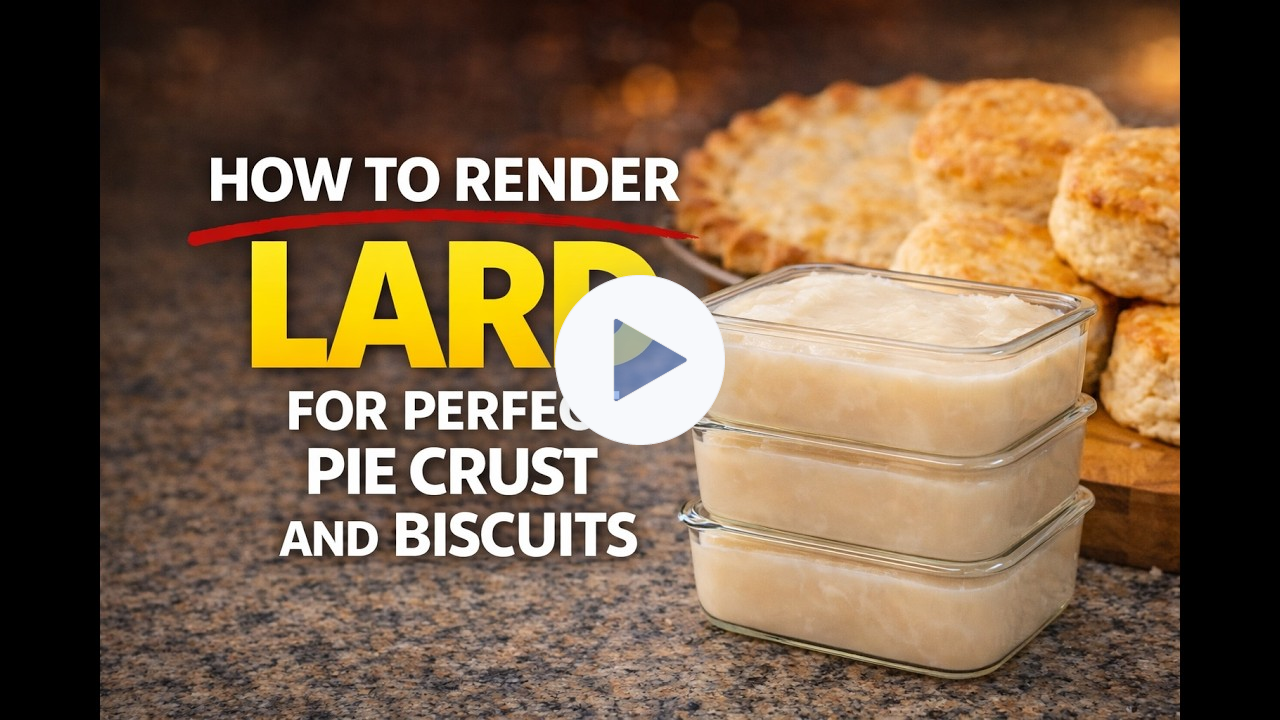
Then there are the fats with a stronger point of view: rendered poultry fat, bacon drippings, and lard. These
bring unmistakable flavor and a particular kind of satisfaction, often linked to traditional home cooking. Used thoughtfully, a small amount can transform a pot of beans, a pan of potatoes, or a batch of biscuits. Because these fats carry their own seasoning and aroma, they work best when the rest of the dish is relatively simple, letting the fat do what it does best.
The most useful way to think about cooking fats is not which one is “right,” but what you want the dish to do. Butter tends to add richness and fragrance. Olive oil adds fruit and lift. Neutral oils support crispness and clean flavor. More distinctive fats add character in a single spoonful. Once that becomes the habit, choosing a fat stops being automatic and becomes one of the easiest ways to cook with more intention, without adding extra
steps or extra ingredients.