Choosing the Right Onion for the Job
Onions are one of the most reliable ways to make everyday food taste like it took longer than it did. They are the quiet foundation under soups, sauces, sautés, roasts, and braises, and they can also be the fresh, crisp lift in salads and sandwiches. The trick is knowing which member of the allium family to reach for, because each one behaves a little differently in the pan and on the plate.
Yellow onions, sometimes called Spanish onions, are the workhorse. They have a balanced bite when raw, but they mellow beautifully with heat and develop deep sweetness as they cook. For most recipes that call simply for “an onion,” yellow is a safe, flavorful choice, especially for building a base for soups, tomato sauces, chili, and pot roasts.
When time allows, yellow onions reward slow cooking, turning soft and golden, then richer and darker, adding that unmistakable savory sweetness that makes a kitchen smell like dinner is truly on the way.
Sweet onions are gentler from the start, with more natural sweetness and less sharpness. They are ideal when
onions will be featured rather than tucked into the background, such as sliced on burgers, stirred into a quick sauté, or roasted alongside chicken and vegetables. Because they can brown faster and sometimes soften more quickly, sweet onions do best with attentive heat and a little patience rather than a hard sear.
Red onions bring color and a pleasant, peppery edge. They shine raw or lightly treated, sliced thin for salads, tacos, and sandwiches. When cooked, reds soften and sweeten, but their color often deepens or dulls, and their flavor can read a bit fruitier than yellow. If the dish needs brightness and crunch, keep red onions raw or only briefly warmed.
White onions are crisp and clean with a sharper top note. They are a natural fit for salsas, guacamole, and quick-cooking dishes where you want onion flavor without long simmering. In the pan, they can brown nicely, but their personality is brightest when the cooking time is shorter and the flavors stay fresh.
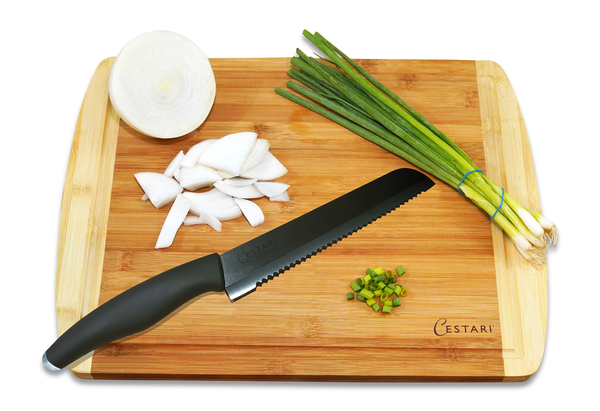
Scallions, or green onions, offer two useful ingredients in one: the white and pale green parts bring mild onion flavor, and the darker greens add a fresh, grassy finish. They are perfect when dinner needs a quick lift, stirred into scrambled eggs, sprinkled over rice bowls, or folded into salads at the last minute. Because scallions cook quickly, they suit fast weeknight meals and gentle heat.
Shallots are small, sweet, and subtle, with a flavor that leans more delicate than most onions. They are the allium to choose when you want sophistication without heaviness: vinaigrettes, pan sauces, and quick sautés for fish or vegetables. Shallots also soften quickly, which makes them a weeknight friend when you want depth but do not want to wait.
Leeks are mild,
sweet, and almost creamy once cooked, with less bite than onions. They are a natural partner for potatoes, mushrooms, and winter greens, and they excel in soups, gratins, and gentle braises. The key is careful cleaning, since soil can hide between the layers. When leeks are softened slowly in butter or olive oil, they create a silky base that tastes both comforting and refined.
The best guideline is simple: reach for yellow when you want dependable backbone, sweet when onions will be noticed, red when you want color and crisp bite, and white when you want a clean, sharp edge. Choose scallions for a quick finish, shallots for a softer, neater flavor, and leeks when you want mellow sweetness and a velvety texture. Once a cook starts matching the allium to the
moment, even an ordinary Tuesday dinner has a way of tasting more intentional.