🌿🌿🌿~A Few Words From Susan~🌿🌿🌿 For a long time, I thought of pesto as Pesto Genovese, the classic mix of basil, pignoli, garlic, olive oil, and cheese served with pasta. It was wonderful, of course, but in my mind it lived in a very specific place. Pesto meant basil. Pesto meant pine nuts. Pesto meant pasta. Then I started using it in other ways, spooned over
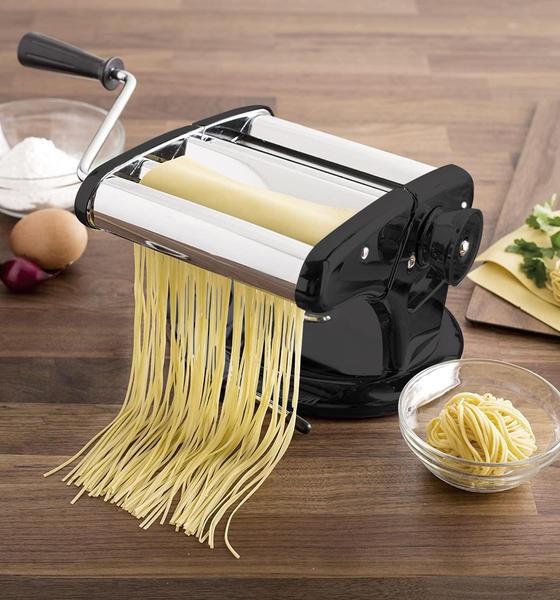
vegetables, spread onto garlic bread, and served almost like chimichurri with meats from the grill. That was the first little shift. The bigger one came when I began changing the ingredients themselves. Other greens could stand in for basil. Walnuts or pistachios could take the place of pignoli. With just a few good ingredients and a food processor, you could have a bright, flavorful sauce ready in minutes. I was hooked. This week’s article looks at pesto as a method, not just one recipe, which is why it can be such a useful staple in your kitchen. In this week’s video, ramps step in for basil to make a fresh spring version, and I am also thinking back to last year’s pistachio pesto video, where pistachios brought their own richness in place of traditional pignoli. The Cestari Pasta Machine is 50% off
this week with the code printed below. It helps you turn a simple batch of homemade pasta into the perfect partner for whatever pesto you are making. Once you understand the balance of greens, nuts, cheese, garlic, and olive oil, pesto becomes less about following rules and more about cooking with what you have. That is the kind of recipe I love
most, practical, seasonal, and generous enough to become your own. Best, Susan
|
Subscriber Bonus - Scroll Down to See if You Won! Each week, we announce a winner of a free Cestari product - you pick your prize from our entire product catalog! One winner is randomly selected from subscribers each week, and announced at the bottom of the newsletter.
Trivia QuestionWhat poem dating back to ancient Rome celebrated an early recipe for
pesto? Answer at the bottom of the newsletter
Tip of the Week Toast nuts lightly before adding them to pesto when you want a deeper flavor. Keep the heat gentle and watch carefully, since nuts can go from golden to bitter very
quickly.
Why Pesto Is More of a Method Than a Single RecipePesto has a way of making dinner feel alive. A spoonful can turn warm pasta glossy and fragrant, brighten a sandwich, finish a bowl of soup, or dress roasted vegetables with the taste of something fresh. Most people think of pesto as the classic Genovese sauce made with basil, pine nuts, garlic, Parmesan, and olive oil. That version is beloved for good reason, but it is only the beginning of what pesto can be. At its heart, pesto is a method. The word comes from the Italian verb pestare, meaning to pound or crush, which points back to the traditional mortar-and-pestle preparation. Instead of a strict formula, pesto is better understood as a balance of fresh greens or herbs, nuts or seeds, cheese, garlic, olive oil, and seasoning. Once that structure is understood, the
cook has room to work with the season, the pantry, and personal taste. Basil and pine nuts may be the most familiar pairing, but pesto welcomes variation. Parsley, cilantro, mint, arugula, spinach, kale, carrot tops, and even tender spring alliums can step in for some or all of the basil. Walnuts, almonds,
pistachios, cashews, and sunflower seeds can replace pine nuts, each bringing a different richness and texture. Hard cheeses such as Parmesan or Pecorino add salt and depth, while lemon zest or juice can lift the whole sauce when it tastes too heavy. Pesto teaches one of the most useful lessons in home cooking: a
recipe can be a guide rather than a rule. In spring, it might be made with ramps or tender greens. In summer, basil can take center stage. In cooler months, heartier greens and toasted nuts can make it feel more substantial. Each version carries the same idea forward while reflecting what is available.
Special Offer for Newsletter Subscribers |
Margaret of Brattleboro VT writes, “I keep a small jar of pesto in the refrigerator for dressing up leftovers. A spoonful stirred into roasted potatoes, chicken, or a bowl of vegetables makes them feel like a new meal instead of a repeat.” Janet of Rockport MA suggests, “When I make pesto, I press a piece of plastic wrap directly onto the surface before putting on the lid. It helps keep the top from darkening before I use the rest.” Ellen of Cooperstown NY shares, “I like to spread pesto on bread before making grilled cheese. It adds so much flavor that even a simple sandwich feels like something you would order for lunch.” Barbara of Stowe VT adds, “A little pesto whisked into mayonnaise makes a wonderful spread for turkey sandwiches or tomato sandwiches. It is also nice as a quick dip for raw vegetables.” Susan of Camden ME notes, “I freeze pesto in tablespoon-size portions so
I can use just what I need. One or two small portions are enough to finish a soup, dress pasta, or brighten a weeknight dinner.” |
💡 Answer to Trivia Question: Virgil's "Moretum"tells the tale of a farmer who pounds 4 heads of garlic with some greens and cheese to make his lunch. The recipe is commonly referred to as "Roman Cheese with Garlic" For those who are interested, here it is (a translation, as I'm not sure how many of
you read Latin) "Then also he had entered the garden.
And first, with his fingers easily having again dug out from the earth he leads out four garlic bulbs with thick roots, after that the fronds of slender [celery or parsley] and stiff rue, he plucks and coriander
trembling on the slight stalk.
When he has gathered them, he sits down at the cheerful fire and with a clear voice he demands the mortar from his maidservant. Then he removes each one of the heads from the knotty body and strips the outermost skin and having disdained it he scatters it here and there on the ground and throws it down. Water moistens the bulb preserved from the sprig and he sends it down into the hollow circle of stone. He sprinkles
these grains of salt, hard cheese is cast at the salt, gnawing away, he pours in the herbs having been said above and his left hand under his hairy loins supports his garment: his right hand first softens with the pestle the fiery garlic, then all alike he grinds the mixed flavors. His hand goes in circles: little by little strength destroys each single individual; from many there is one color, neither wholly green, which fights against the milky-white in vain, nor pressing upon the white, which
is changed by so many herbs. Often the sharp odor throws the man’s uncovered nostrils and he condemns his lunches with a crumpled face often he wipes his tearing eyes with the top of his hand and raging, he speaks angrily to the innocent fume. The work proceeds not now as jolting as before but heavily the pestle goes in slow circles. Therefore he drips in drops of Pallas' oil and pours scant vinegar on the top of its strength and again the work mingles together and he takes the mixture in hand
again. Then finally with two fingers he circles the whole mortar and the different parts collect in one ball, it agrees so that the appearance and name of moretum having been accomplished"
GET A MINI TURNTABLE ON US!
We'd love to feature some of your best tips and
tricks. Please let us know what you know! You can submit your thoughts by replying to this newsletter, or sending them directly to [email protected] with the subject "Newsletter" Every subscriber whose contribution we use will receive our MINI TURNTABLE as our thank you gift.
This newsletter contains product affiliate links. We may receive a commission if you make a purchase after clicking on one of these
links. |
|
|