The Most Common Asparagus Mistakes,
and How to Avoid Them
Asparagus has a way of announcing spring before almost anything else does. Its bright green stalks, tender tips, and fresh grassy flavor feel like a promise after the heavier cooking of winter. Yet for all its elegance, asparagus is also easy to mistreat. A few minutes too long in the pan, too much water, or the wrong prep can turn one of the season’s most beautiful vegetables into something limp, stringy, or
forgettable.
One of the most common mistakes is assuming all asparagus should be cooked the same way. Thin spears cook quickly and are lovely sautéed, shaved raw into salads, or briefly blanched. Thicker spears can be sweeter and more substantial, but they often need a little extra attention. Peeling the lower
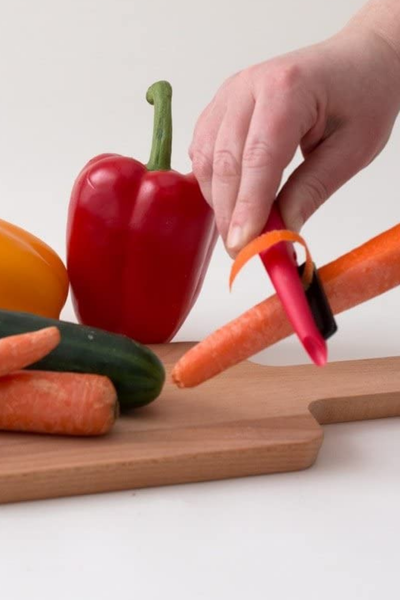
portion of thick stalks with a vegetable peeler can remove toughness while preserving more of the vegetable than simply snapping off a large end.
Another frequent mistake is overcooking. Asparagus should taste fresh, not tired. Whether roasted, steamed, grilled, or blanched, it benefits from careful timing. The goal
is usually tender-crisp, where the stalk yields to the bite but still holds its shape and color. When blanching, a quick transfer to ice water helps stop the cooking and keeps the color bright. When roasting, a hot oven and a light coating of oil help the spears caramelize without turning soggy.
Crowding the pan is
another quiet culprit. Asparagus contains moisture, and when too many spears are packed together, they steam instead of roast. Giving them space allows the edges to brown lightly and the flavor to deepen. The same principle applies to seasoning. A little salt, pepper, good olive oil, butter, lemon, herbs, or cheese can enhance asparagus beautifully, but too many competing flavors can cover up what makes it special.
Storage matters, too. Asparagus is best cooked soon after buying, but it can be kept fresh for a few days if treated like flowers. Trim the ends, stand the spears upright in a jar with a little water, and loosely cover the tops before refrigerating. This helps preserve their snap and freshness.
Asparagus does not need complicated treatment to shine. It simply asks for attention. Choose good spears, trim them wisely, cook them briefly, and season them with care. When handled well, asparagus becomes more than a spring side dish; it becomes a reminder that the simplest seasonal foods often reward the cook the most.