Smart Sheet Pan Strategies for Busy Nights
Sheet pan cooking shines when dinner can be arranged in a single motion. The most reliable path to that ease is choosing sturdy, compatible ingredients that can all hit the hot pan at once and finish together. Think of it as choreography decided before the oven door opens. When the mix is right, the result is crisp, caramelized, and hands-off.
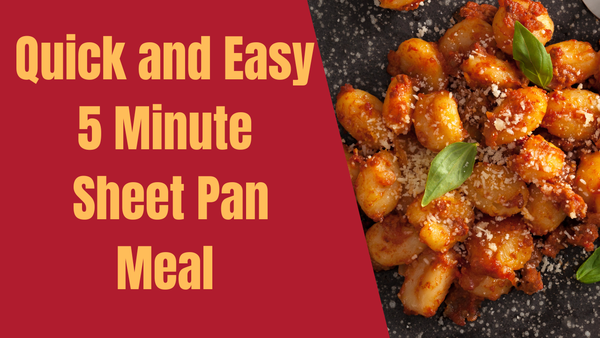
Start with durable ingredients that welcome high heat. Boneless chicken thighs, sausage, meatballs, or firm tofu pair well with vegetables like broccoli, cauliflower, carrots, onions, bell peppers, and small potatoes. Shelf-stable or refrigerated gnocchi belong here too.
Avoid delicate items such as fillets of flaky fish, tender greens, or soft tomatoes, which release water quickly and collapse before the rest of the pan is ready. Sheet pan success favors ingredients that brown rather than wilt.
Cut everything to a compatible size. Halve small potatoes or slice thicker carrots so
they match the cook time of peppers and onions. Pat surfaces dry, then toss with oil and a measured amount of seasoning in a large bowl so every piece is lightly coated. A moderate oil film promotes browning while preventing scorching. Salt early for flavor, and use spices that can tolerate heat, such as paprika, garlic powder, thyme, or cumin.
Preheat the oven and the pan together. A preheated, heavy pan helps set a crust the moment ingredients land, discouraging sticking and steam. Once the pan is hot, spread the mixture in a single, well-spaced layer. Crowding traps moisture and dulls color, which is the opposite of what this method is designed to deliver. If the oven has convection, use it for drier heat and faster browning.
High heat is nonnegotiable. Roast at 400 to 425 degrees Fahrenheit until edges are deeply golden and centers are tender. Resist the urge to stir often. One purposeful flip midway is enough to expose fresh surfaces to the pan. Because all components were selected to finish together, there is no need to add anything partway through, which keeps the process simple and the timing
predictable.
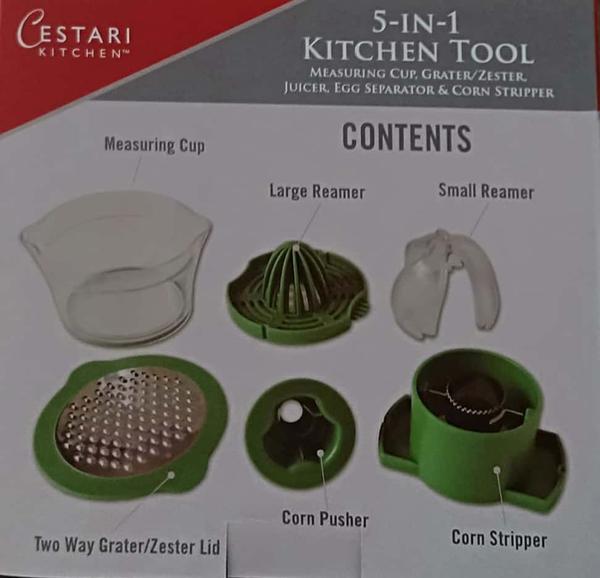
Finish with a contrast that wakes up roasted flavors. A squeeze of lemon, a spoonful of pesto, a splash of vinegar, or a sprinkle of grated
cheese provides brightness and lift.
This all-at-once approach rewards a little planning. Choose sturdy, high-heat ingredients, match their sizes, season evenly, and give them space on a hot pan. With those rules in place, sheet pan dinners become exactly what busy
nights need, delivering real flavor without extra steps or fragile elements that slow you down.