The Pantry Power of Beans: Stretching Winter Meals with Flavor and Thrift
A pot of beans announces itself quietly, the lid ticking as starches soften and the kitchen fills with the soft perfume of onions, garlic, and tomatoes. It is a practical kind of comfort, the kind that begins
in the pantry and ends with full bowls on a cold evening. For many home cooks, beans are more than a side; they are a steady way to stretch winter meals, bring texture to simple broths, and anchor a week’s worth of satisfying suppers.
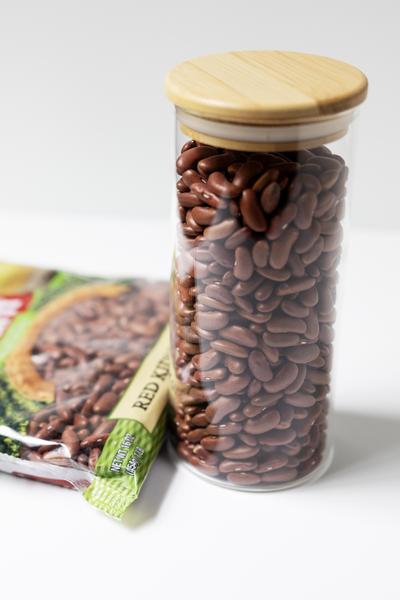
The beauty of beans starts with choice. Kidney beans hold their shape in hearty
stews, lentils cook quickly and deliver a velvety body to soups, and navy beans oblige with a gentle creaminess that
welcomes herbs and ham bones alike.
Dried beans are the most economical option, and their flavor rewards a little planning. A soak in cool hydrates the skins evenly and helps prevent bursting. If time is tight, a quick soak, covering beans with hot water for an hour, works well, but the overnight method yields
the most consistent texture.
Aromatics do the heavy lifting once the pot is on. A modest soffritto of onion, celery, and carrot, cooked until sweet, sets a foundation that plain water can respect. Tomatoes, added in moderation after the beans have begun to soften, contribute acidity and savor while preserving
tenderness. Salt should be present from the beginning, in measured amounts, so each bean carries flavor to its core. Bay leaves, thyme, and a piece of rind from hard cheese are thrifty additions that make the broth taste cared for. If there is a leftover ham bone or a few strips of bacon on hand, the smoky
backbone it provides turns the pot into supper with little else required.
Technique guides thrift. Simmering, not boiling, keeps skins intact and broth clear. Skimming early foam leads to a cleaner taste, and finishing with a spoonful of olive oil gives gloss and roundness. Cooking a large batch on Sunday is a gift
to the rest of the week. Some of the beans can be left whole for salads with bitter greens and lemon, some can be mashed with garlic and warmed as a spread, and some can be blitzed with their cooking liquid into a quick puree to enrich sauces or stretch a small portion of meat into a family pasta.
Economy does not
mean austerity. Beans welcome small luxuries that make humble dinners feel complete. A torn handful of herbs, a drizzle of good vinegar at the end, or toasted breadcrumbs scattered over a bowl add contrast and brightness. Storing cooked beans in their own liquid keeps them tender and flavorful, ready to absorb whatever the next meal asks of them.
In winter, when the produce drawer looks lean and guests might appear with little notice, a well stocked jar of beans is quiet assurance. With a few patient hours and the simplest companions, beans transform broth into body, scraps into supper, and an ordinary night into something warm, generous, and enough.